
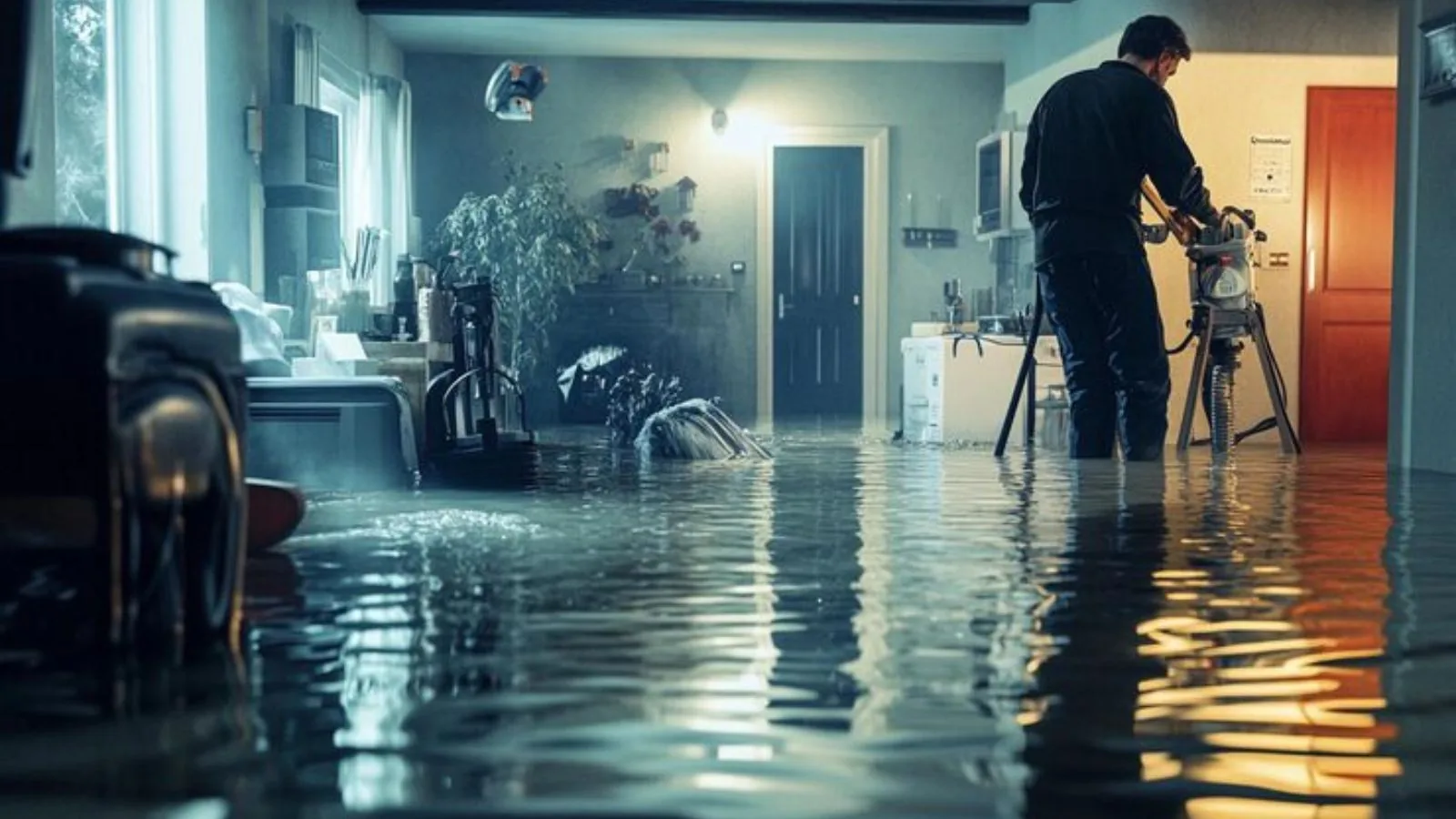
A water damage claim goes more smoothly when the evidence is clear. Insurers decide coverage, and an adjuster has to understand what happened, when, and how far it spread. The documentation you gather in the first hours does much of that work for you.
This guide lists what to photograph, what to write down and what to keep. We are a restoration company, not an adjuster, so your insurer decides what they require. If water is still coming in, stop the source first and call (833) 521-1033 for dispatch.
Photograph before you move anything
Take wide shots of each affected room and close shots of the damage. Photograph the source if you can, such as a split hose, a wet ceiling stain or a failed fitting. Include the date and time if your phone does not add them.
Capture damaged belongings where they sit, then again once moved. If you discard anything, list it first with a brief description, and photograph it before it goes.
- Wide shots of each room.
- Close shots of stains, swelling, mold and standing water.
- The source of the water.
- Serial numbers or labels on damaged appliances and electronics.
Write down the timeline
Note when you discovered the water, when you shut off the source, who you called and when. Write down what you did to limit damage. A simple notes file on your phone is enough.
Keep the names of anyone you speak with at your insurer, along with the claim number and the date of each call.
Need drying records for a claim?
Call dispatch and tell us it is for an insurance claim.
Moisture readings and drying logs
A restoration crew records moisture readings with meters and logs temperature and humidity during drying. These records show what was wet, how it responded and when it reached dry standards. Ask for copies.
Readings also help separate the new loss from older damage. If a wall is wet in one spot and dry around it, the pattern says something about the source.
| What to keep | Why it helps | Who usually provides it |
|---|---|---|
| Photos and video | Show conditions before cleanup | You |
| Moisture readings and drying logs | Show the extent and when drying finished | Restoration company |
| Receipts for emergency steps | Support your mitigation costs | You and vendors |
| Written scope of repairs | Describes what removal and rebuild involve | Restoration or repair contractor |
| Plumber or appliance repair record | Identifies the cause of the loss | Plumber or technician |
Keep receipts and the failed part
Save receipts for emergency repairs, equipment rental, hotel stays if the home is unlivable, and anything else tied to the loss. Ask your insurer what they reimburse.
If a hose or pipe section failed, keep it. A plumber's invoice that names the cause also helps. Do not repair or dispose of evidence until your adjuster has had the chance to see it or has approved it.
Common documentation mistakes
The most common mistake is cleaning up before taking photos. Once wet drywall is bagged or carpet is hauled away, the evidence is gone. Take the photos first, even if it feels slow.
Another is relying on memory. Dates, names and amounts fade fast, and a short note taken at the time is worth far more than a recollection weeks later.
- Throwing away damaged items without a list.
- Not recording who you spoke with at the insurer.
- Losing receipts for emergency steps.
- Letting a repair erase the source before anyone sees it.
Keeping everything in one place
Make a single folder on your phone or computer, and keep a paper copy of anything important. Name photos by room and date so they are easy to sort.
Share the folder with a family member, in case you are away or unavailable when the adjuster calls. A clean record saves time for everyone involved.
What your restoration company should provide
A restoration crew can supply several records that an adjuster may ask for. Ask for them at the start, so they are collected as the job goes.
Insurers decide coverage, not restoration companies, so expect records and honest answers, not promises about payment.
- Photos of the damage before work.
- Moisture readings by location and date.
- Equipment logs showing placement and days.
- A written scope of removal and drying.
- Invoices with dates and line items.
Documentation for West Chester homes and businesses
Many West Chester properties have a mix of finished basements, slab floors and multi-level layouts, so water often ends up in more than one place. Photograph each level, not only where you first saw it.
If you rent in a managed complex, tell your property manager in writing as well as your insurer. Your lease decides who handles building damage, and the manager may have to arrange access.
Common Questions
How soon should I photograph damage?
Right away, before you move or discard anything. Early photos show conditions a later cleanup will change.
Do I need an itemized list of damaged belongings?
Most insurers ask for one. Start a list as you go, with a short description and an approximate age.
Can I start cleanup before the adjuster visits?
Usually you should take reasonable steps to limit damage, such as extraction and drying. Document first, and ask your insurer what they expect.
What if my West Chester landlord handles the building insurance?
Your landlord's policy covers the building, and yours covers your belongings. Report the loss to both, and keep your own photos and receipts.
Where to go from here
Drying records are part of every job, and structural drying and dehumidification explains what the readings mean. For a pipe loss, see burst pipe water damage.
We also serve Cincinnati. Our Cincinnati water damage restoration page covers what that looks like.