
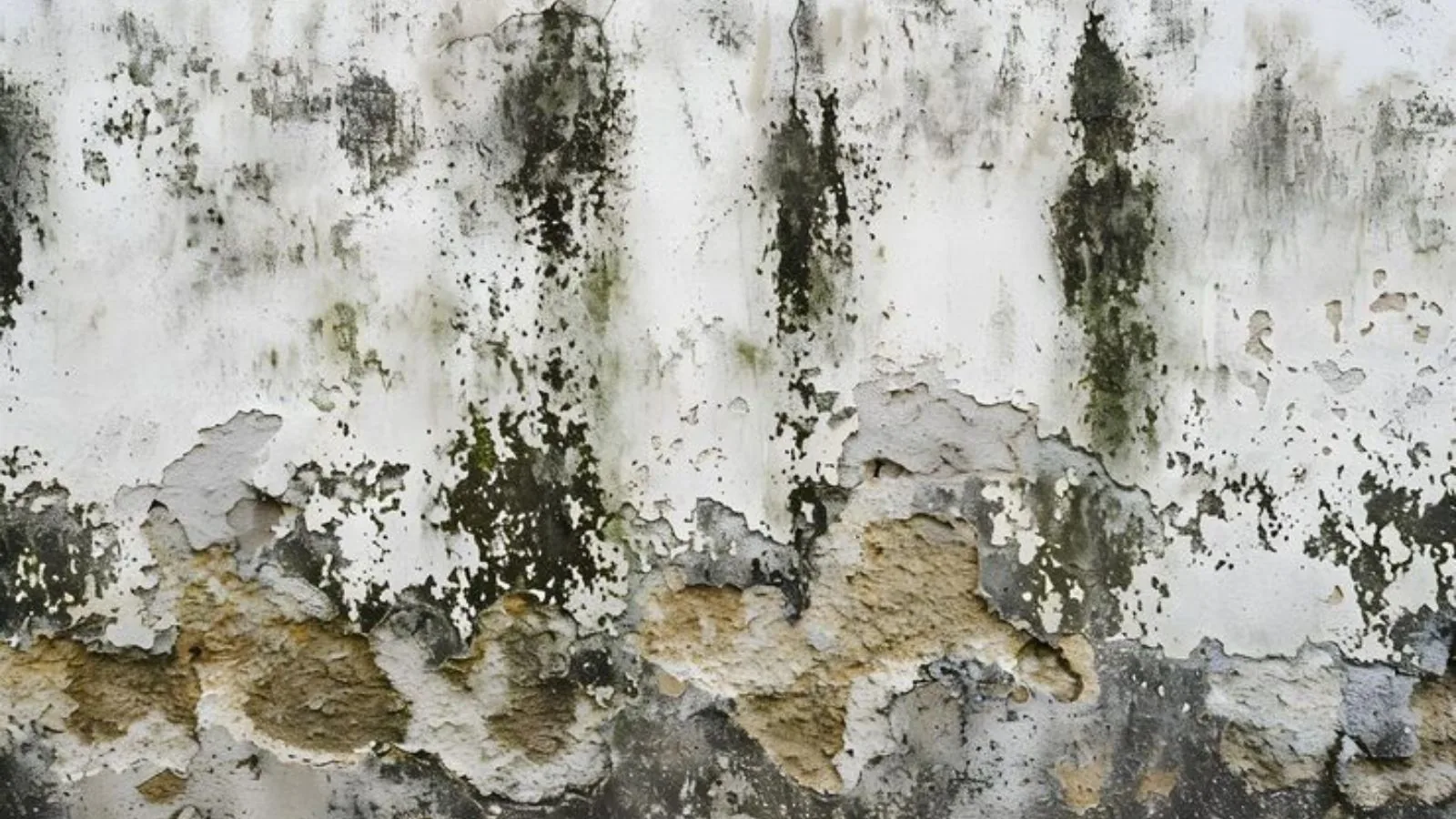
Professional mold removal looks different from household cleaning, and the difference is mostly about control. Crews contain the area, remove what cannot be cleaned, clean what can, and confirm the space is dry. Each step prevents the next problem.
This guide describes the sequence so you know what to expect and can compare quotes. We follow the ANSI/IICRC S520 standard for mold remediation. If you want to talk through your own basement, call (833) 521-1033.
The walkthrough and plan
The first visit is a walkthrough. The crew looks at visible growth, checks moisture with meters and thermal imaging, and asks about the history of water in the space. They identify the likely source and the extent of affected materials.
A written scope follows, describing what will be removed, what will be cleaned, and what equipment will be used. Ask for it in writing and compare it with other quotes.
Containment and air control
Disturbing mold releases spores into the air. Containment keeps those spores out of living spaces, which is why removal without it can spread the problem.
- 1
Isolate the area
Plastic sheeting and zippered doors seal the work zone from the rest of the home.
- 2
Run negative air
Machines with HEPA filters pull air from the work zone so spores stay inside.
- 3
Protect clean areas
Floors and routes are covered so debris does not travel.
Want a plan for your basement?
Call dispatch and describe what you see.
Removal, cleaning and drying
Porous materials with growth, such as drywall, insulation and carpet pad, are cut out and bagged. Surfaces that can be cleaned are HEPA vacuumed and wiped. Wood framing may be cleaned and, where needed, treated.
Drying continues through the job. Air movers and dehumidifiers bring materials down to dry readings, because mold can return if moisture lingers.
| Step | What happens | Purpose |
|---|---|---|
| Containment | Barriers and negative air | Keep spores in the work zone |
| Removal | Affected porous materials taken out | Remove growth that cannot be cleaned |
| Cleaning | HEPA vacuum and wipe | Take out residue and dust |
| Drying | Dehumidifiers and air movers | Lower moisture so mold cannot return |
Verification and the rebuild
At the end, the crew checks moisture readings and visual cleanliness. Some jobs include testing by an independent party to confirm results. Ask in advance whether that applies and who pays for it.
Rebuilding is separate. New drywall, insulation and flooring go in after the area is dry and signed off. The source of moisture has to be fixed, or the cycle starts again.
What to ask before removal starts
A short conversation before work begins prevents most misunderstandings. Ask the crew to walk you through the containment plan, where equipment will sit and how long the work area will be closed off.
Ask what will be removed and what will be cleaned, and how they decide. A clear answer refers to materials and moisture readings, not just appearance.
- Where will barriers and negative air machines go?
- Which materials are being removed, and why?
- How will debris leave the home?
- What does the final check include?
- Who handles the moisture source?
Living at home during removal
Many households stay in the home during a basement job, because containment keeps the work zone separate. If anyone is sensitive to mold, plan for a different place to stay for a few days.
Keep pets and children away from the work area, and avoid opening the containment doors. Ask the crew what to expect for noise, because negative air machines run for long stretches.
After removal: keeping the space dry
After a removal job, the basement needs time and attention. Keep a dehumidifier running, watch humidity with a simple gauge and look at the walls after the next heavy rain. New drywall and insulation should only go in once readings are dry.
Ask the crew for a short written summary of what was found and removed. If mold returns, that record helps a pro figure out why.
- Run a dehumidifier through damp seasons.
- Check walls after heavy rain.
- Keep gutters and downspouts working.
- Save the removal summary and photos.
What to do while you plan removal
Waiting for a crew does not mean doing nothing. A few simple steps keep the problem from growing and protect your household.
- Do not disturb visible growth.
- Keep the basement door closed.
- Run a dehumidifier if the area is damp.
- Do not store or move items out of the affected area through clean rooms.
Removal planning in West Chester
Local building rules can affect rebuild work. Ask the West Chester Township building department whether permits apply for structural or electrical repairs in your area, because that is a question for them rather than for a general guide.
If you share a wall with a neighbor, as in a townhome or condo community, tell your homeowners association early. Containment and equipment placement may need access to common areas.
Common Questions
How long does professional mold removal take?
It depends on the area and the materials. The scope you receive should describe the plan and the drying needed.
Do I have to leave my home?
Often not, but it depends on the size of the job and who is sensitive to mold. The crew can advise after the walkthrough.
Will mold stay gone after removal?
No one can promise that. Removal works when the moisture problem is fixed, so the source has to be addressed too.
Does West Chester Township require a permit for mold removal?
Requirements depend on the work. Mold removal itself is often not permitted separately, but rebuilding can be. Ask the township building department about your project.
Next steps
Our mold remediation page lists what we handle, and basement water damage cleanup covers the water that often comes first.
We also serve Cincinnati, and our service area page shows nearby communities such as Wetherington.