
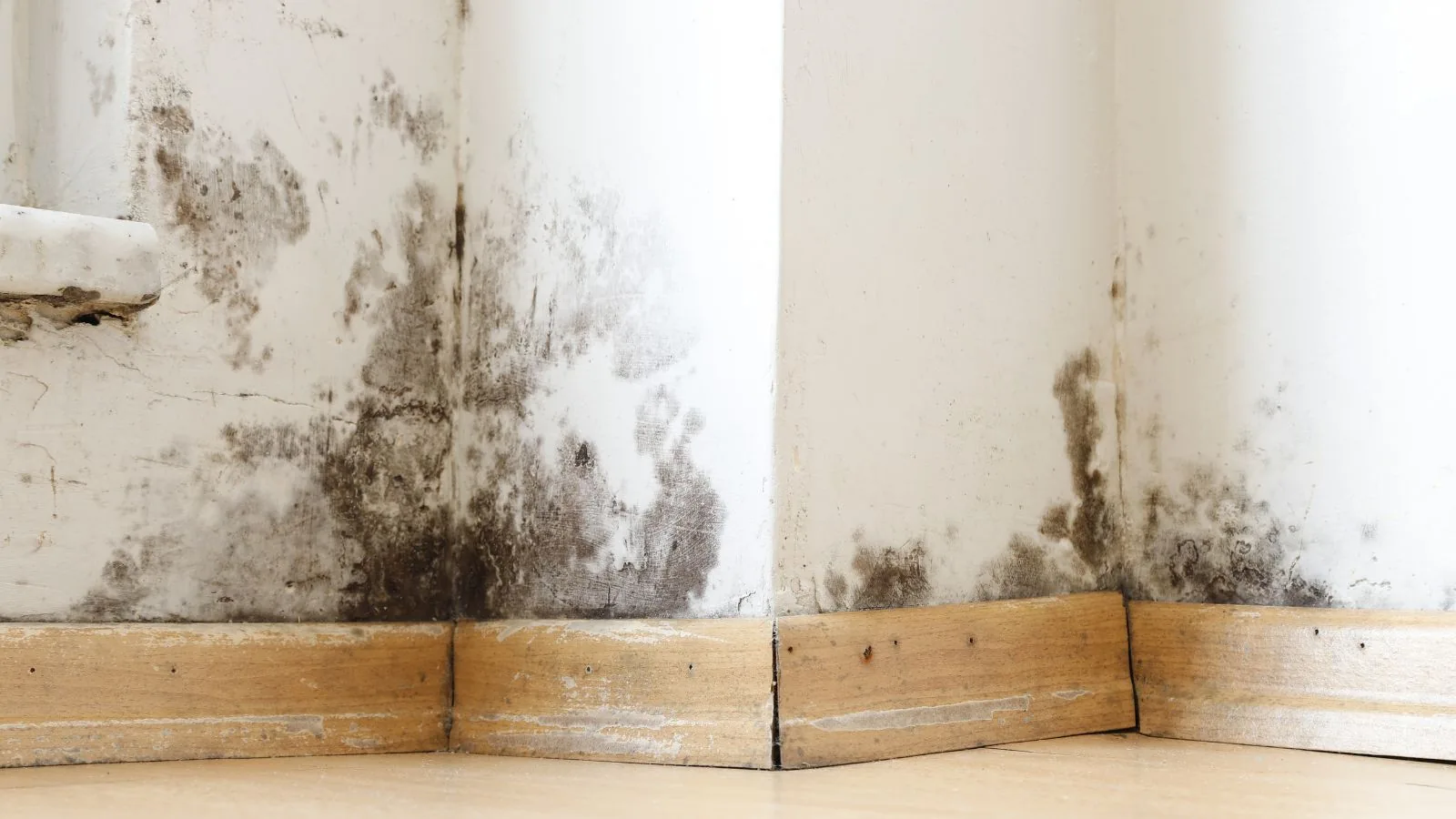
Homeowners policies rarely treat mold as its own covered event. Instead, coverage usually depends on what caused the moisture. Mold that follows a sudden, covered water loss may be included, sometimes with a cap. Mold from humidity, neglect or a long-term leak is commonly excluded.
We are a restoration company, not an insurer or a lawyer, so your policy language controls. This guide describes common patterns and the questions worth asking. If you have water or mold in the home now, call (833) 521-1033 and we will explain next steps.
Cause of loss drives coverage
Insurers ask what produced the moisture. If a covered peril, such as a sudden pipe break, led to the mold, the mold may be part of that claim. If the source was a slow leak, poor ventilation or a flood, coverage may be limited or excluded.
That is why quick drying matters for coverage and for health. Mold that grows because water sat for days can be harder to tie to a covered event.
- Sudden pipe or appliance failure followed by prompt drying.
- Storm damage to the roof that let rain in.
- Long-term leaks and chronic humidity, often excluded.
- Flood or sewer backup, which depend on separate coverage.
Limits, sub-limits and endorsements
Some policies set a dollar limit on mold remediation, or exclude it unless an endorsement is added. The limit may be separate from the main dwelling coverage and may include testing and cleanup.
Read the mold or fungi section of your policy. Look for words such as exclusion, limit, endorsement and sudden and accidental, and ask your agent to explain them in plain terms.
| Question to ask | Why it matters | Where to look |
|---|---|---|
| Is mold covered after a covered water loss? | Sets whether it joins the claim | Policy mold or fungi section |
| Is there a dollar limit? | Caps what the insurer pays | Declarations page or endorsement |
| Does the limit include testing? | Affects out-of-pocket costs | Policy wording |
| Is long-term seepage excluded? | Affects slow leaks | Exclusions section |
Mold after a leak?
Call dispatch. Prompt drying helps health and the claim.
What to document
Photograph the damage and the source, keep drying records, and save receipts. Moisture readings show when the structure reached dry standards, which can support the story of a prompt response.
Report the loss quickly. Delays can raise questions about whether mold came from the covered event or from waiting.
Do not wait on the claim to start drying
Mitigation is usually your responsibility and often expected by the policy. Extracting water and drying early limits both damage and mold risk.
Keep your insurer informed, and ask them what they require before you start removal of any moldy material. If a quick decision is needed for safety, document the material before it goes.
Mold exclusions explained in plain terms
Policy language can be dense, but the pattern is simple. Many policies exclude mold unless it results from a covered water event, and some add a dollar cap even then. Words such as fungi, wet rot and dry rot often appear together in the exclusion.
A neutral way to clear it up is to ask your agent to describe, in their own words, what would happen if a covered pipe burst and mold followed. Then ask what would change if the leak had been slow.
- Look for the words fungi, mold, wet rot and dry rot.
- Check for a sub-limit on remediation.
- See whether testing is included.
- Note any conditions about prompt drying.
Steps that protect your position after a leak
Stop the water, call your insurer, and start drying. Keep photographs and drying logs, because they show the structure was treated promptly.
If mold appears despite fast drying, tell your insurer right away and keep the evidence until they have seen it.
If your claim is denied or limited
A denial is not always the end. Ask the insurer for the reason in writing and the policy language they relied on. Compare it with the facts you documented, such as the cause and the drying timeline.
You can ask for a review and add documents, and the Ohio Department of Insurance accepts consumer complaints and questions. A written, calm record of dates and photographs is the strongest thing you can bring to that conversation.
- Ask for the reason and the policy section in writing.
- Send photos, logs and invoices that support the cause.
- Ask what the appeal or review steps are.
- Contact the state insurance department with questions.
Mold coverage questions in West Chester
Ohio homeowners can contact the Ohio Department of Insurance with questions about policies and claims. The department publishes consumer information, and it is a neutral place to ask what a term means.
In West Chester, basements and crawl spaces are common places for hidden moisture. If your home has either, ask your agent how your policy treats water that enters from below, since that often falls into flood or seepage categories.
Common Questions
Is mold ever covered?
Sometimes, when it results from a covered loss, and often with a limit. Your policy says what applies.
Does the insurer pay for mold testing?
It depends on the policy. Ask whether testing is included in the mold limit.
Can I buy mold coverage later?
Some insurers offer endorsements. Ask your agent, and note that coverage usually applies only to future losses.
Who can answer Ohio insurance questions about mold?
Your agent and insurer can explain your policy, and the Ohio Department of Insurance provides consumer information about coverage and complaints.
Next steps
Read about the work itself in mold remediation, and see structural drying for how drying is verified.
We also serve Cincinnati. Our Cincinnati page explains how coverage works there, and Olde West Chester covers one of our local neighborhoods.